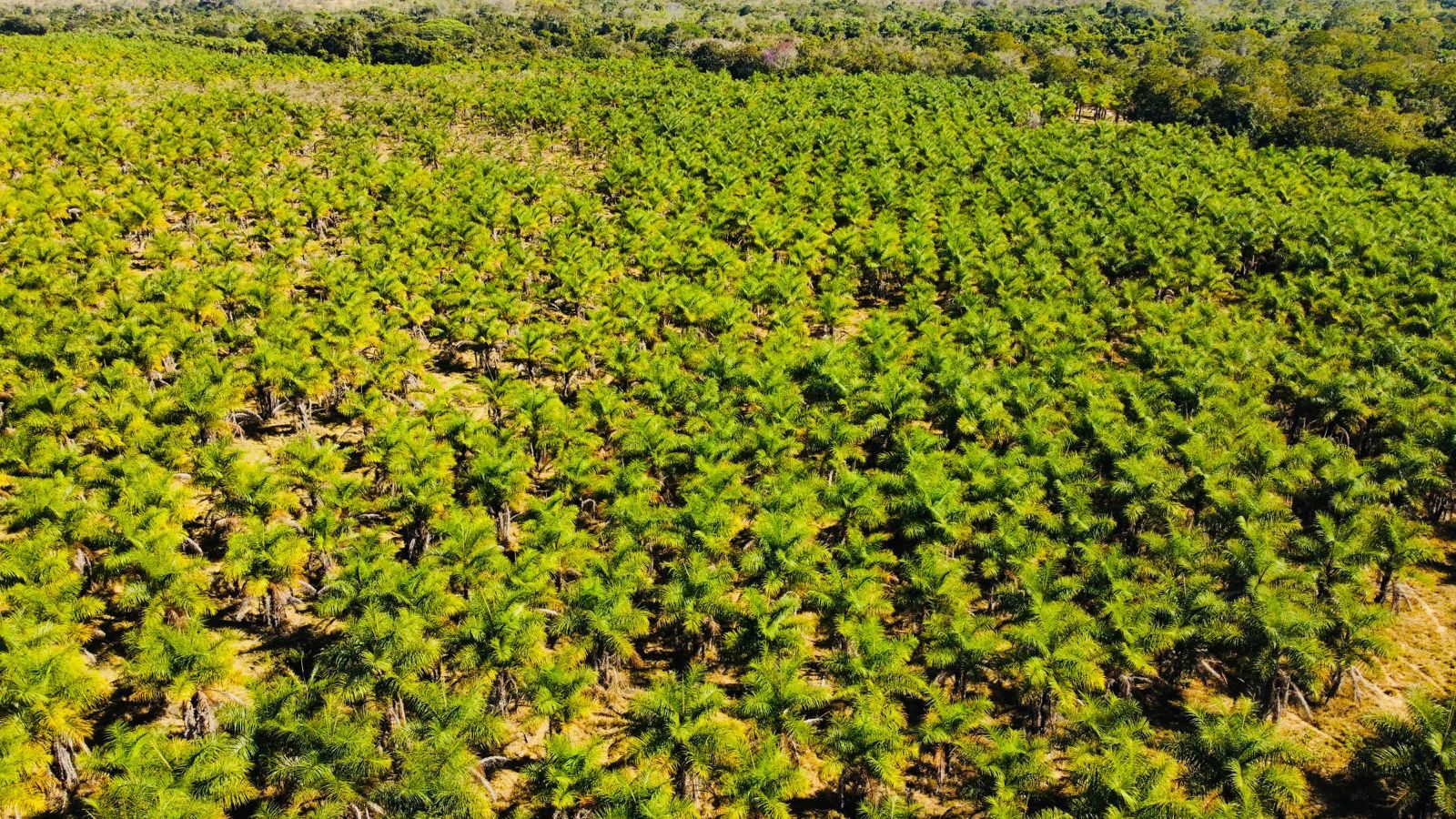
Genetics and germplasm bank
From a base of approximately 300,000 trees, intense selection pressure identified 150 high-performance mother plants for breeding, propagation and field trials.

Genetics · Technology · Agroforestry systems
For 19 years, S.Oleum has developed genetics, saplings and technologies to produce macaúba at scale — restoring land and reducing the carbon intensity of industrial value chains.
S.Oleum solutions
Explore our three areas of expertise and see how S.Oleum turns science into macaúba production at scale.
View all solutions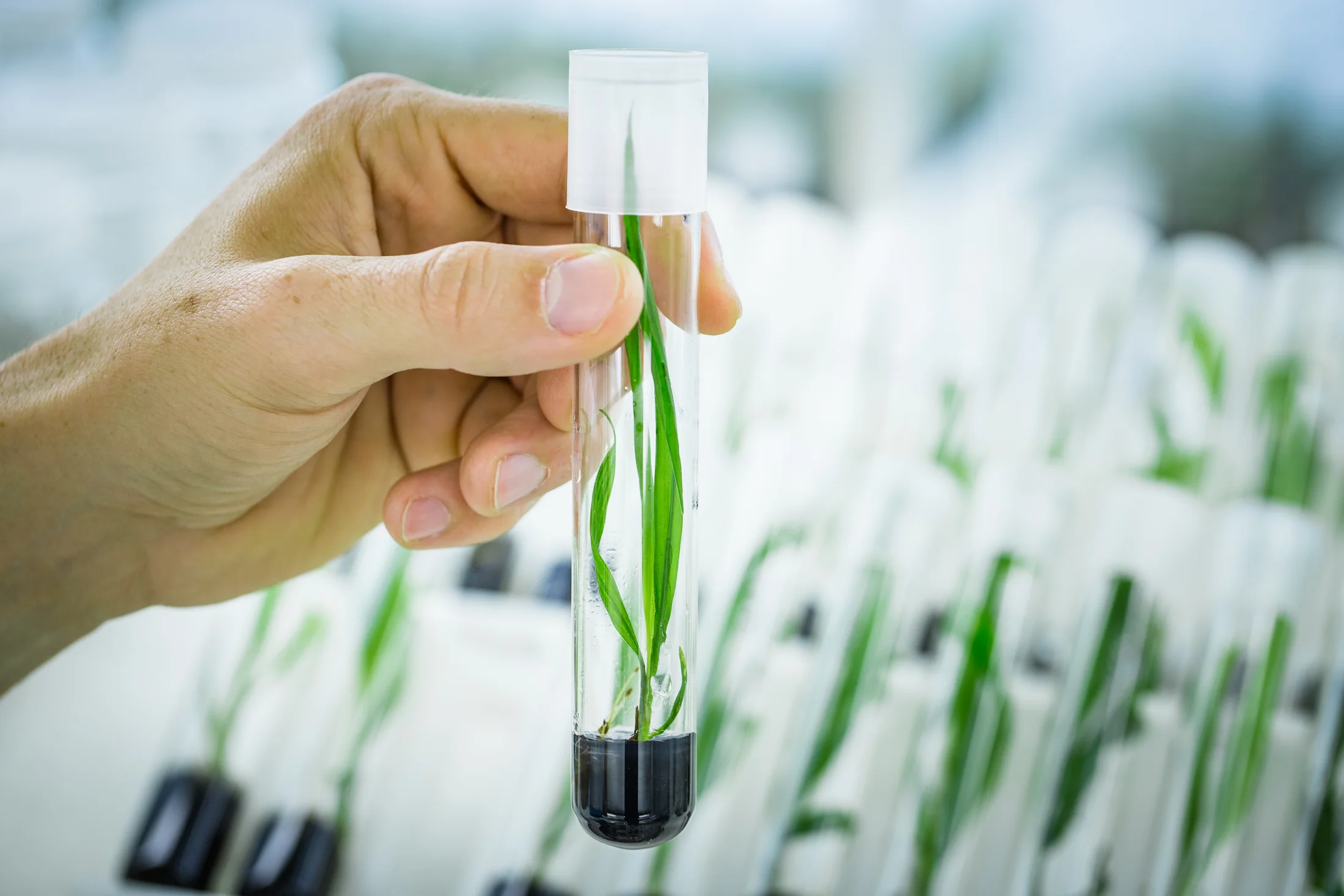
Selected genetics for quality, uniformity and predictability.
Explore the solution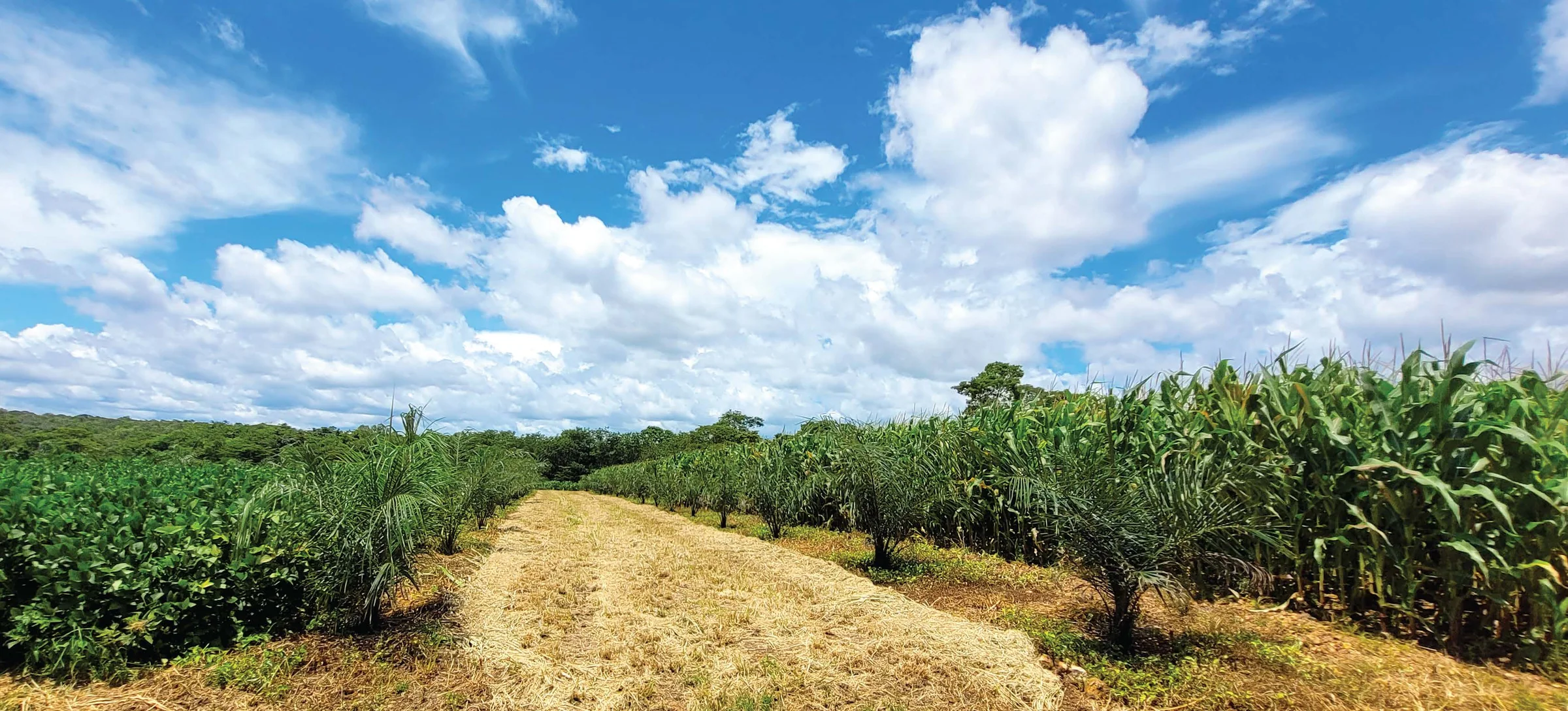
Planning, implementation, management and specialized technical support.
Explore the solution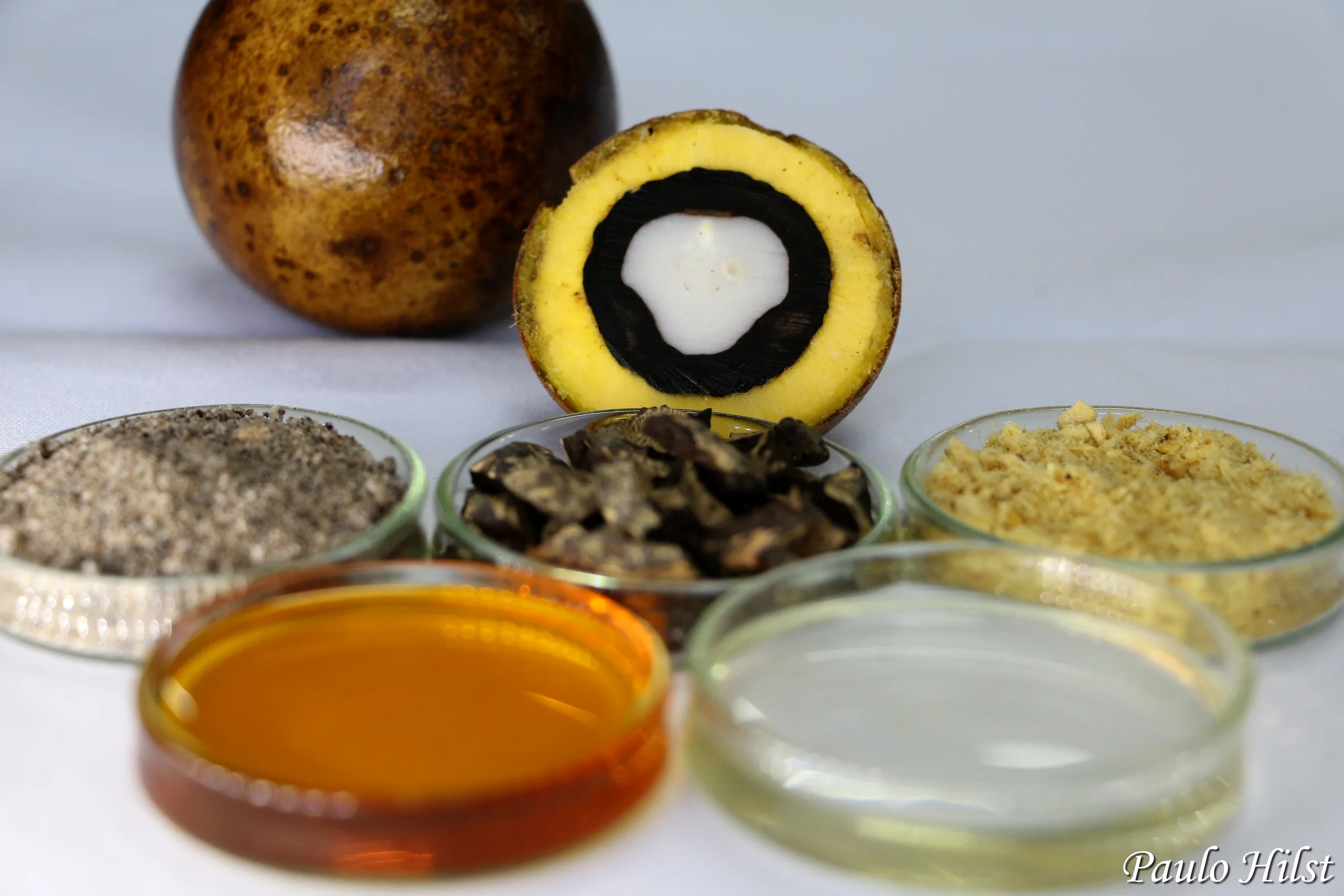
Bioindustrial applications for energy, chemicals, cosmetics and food.
Explore the solutionA native tree, a complete production system
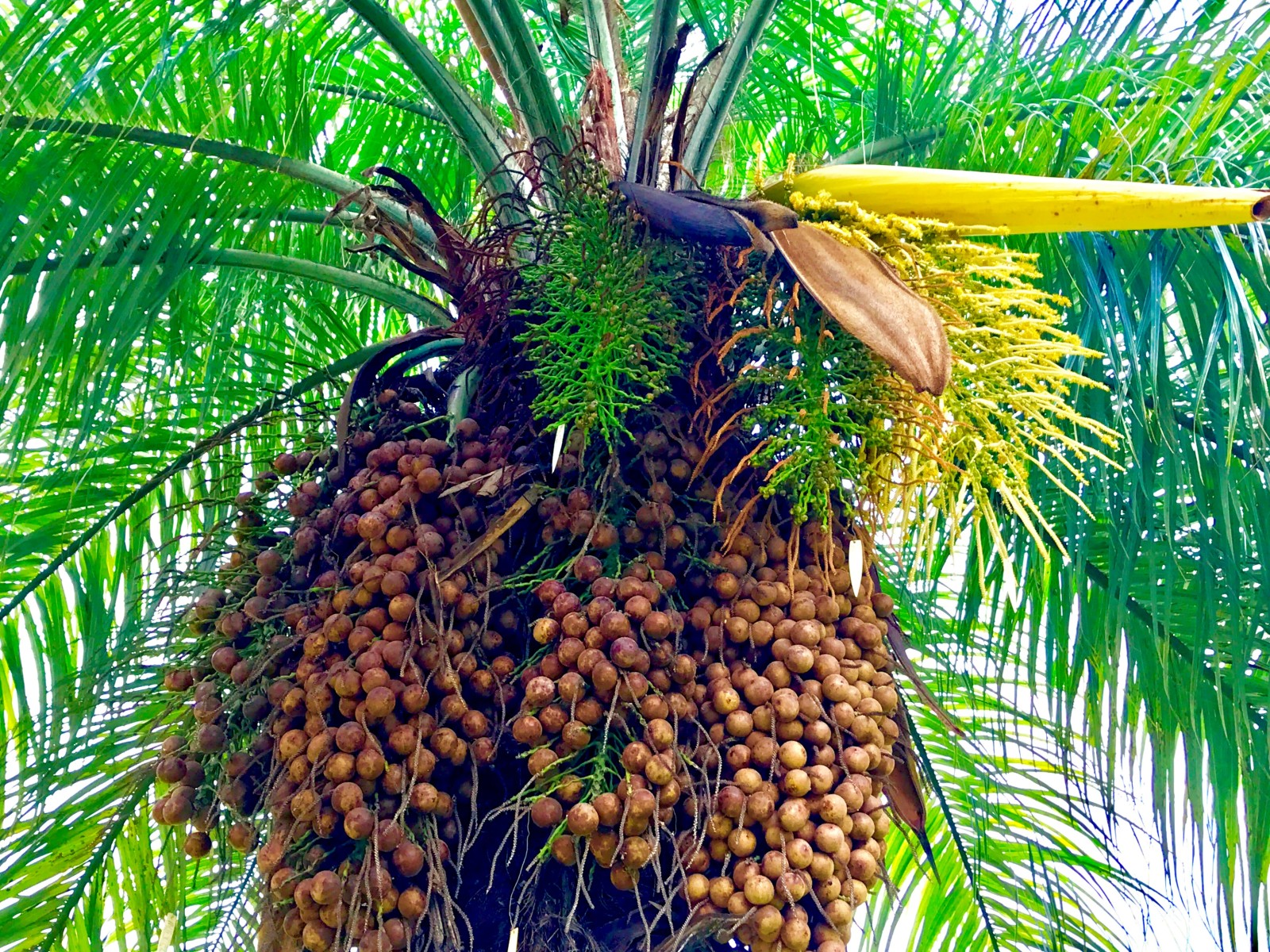
Native to the Cerrado and adapted to diverse conditions, macaúba produces two vegetable oils, biomass and high-value co-products. In agroforestry systems, it can integrate trees, crops and livestock in the same productive landscape.
Agronomic and productive potential depends on genetics, management, region and plantation maturity.
An advantage built over time
S.Oleum combines a unique genetic base, proprietary protocols and operating assets in Minas Gerais to accelerate macaúba domestication and reduce implementation risk at scale.
From a base of approximately 300,000 trees, intense selection pressure identified 150 high-performance mother plants for breeding, propagation and field trials.
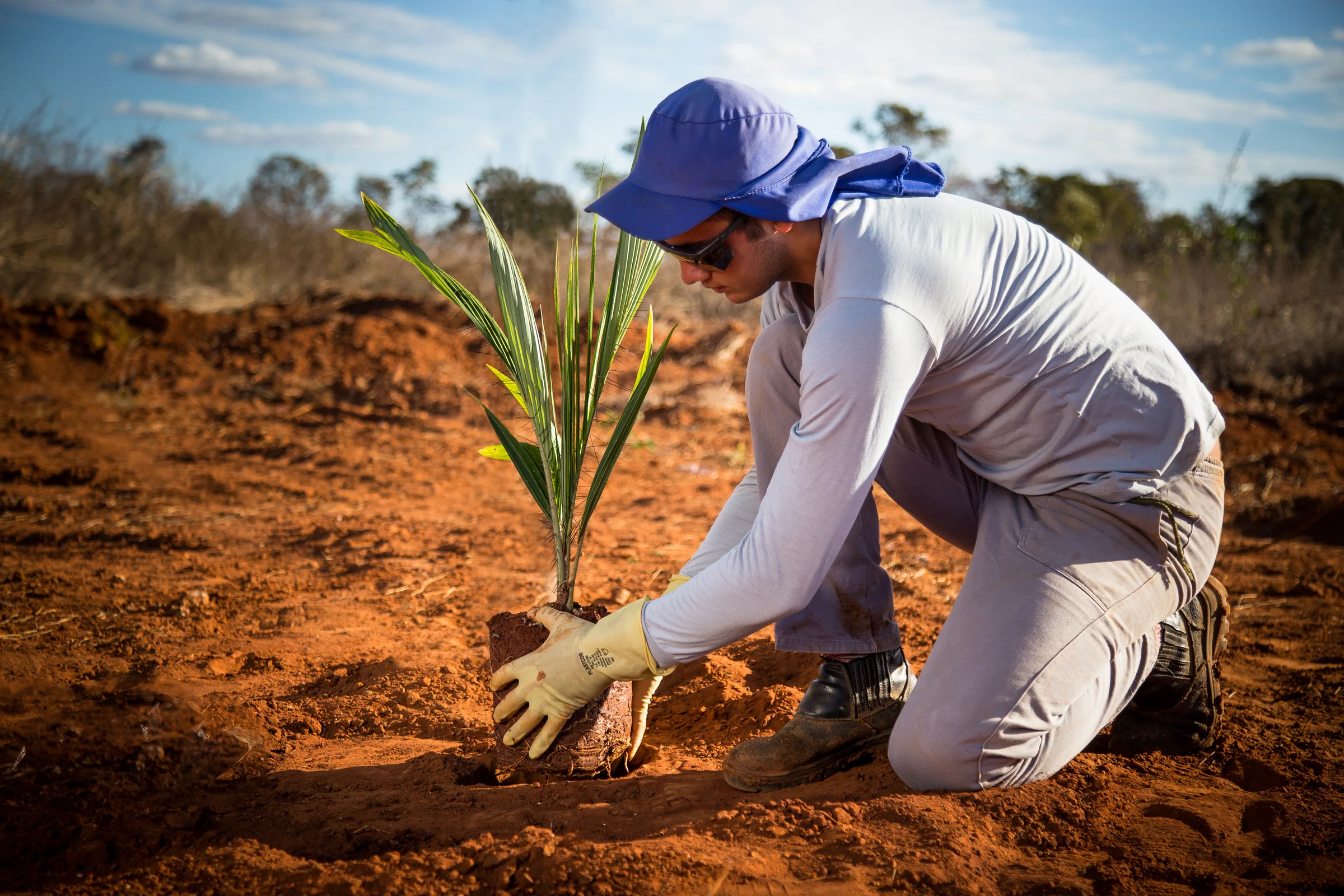
Germination and cloning protocols, plant nutrition and health trials, and dedicated sapling production capabilities.
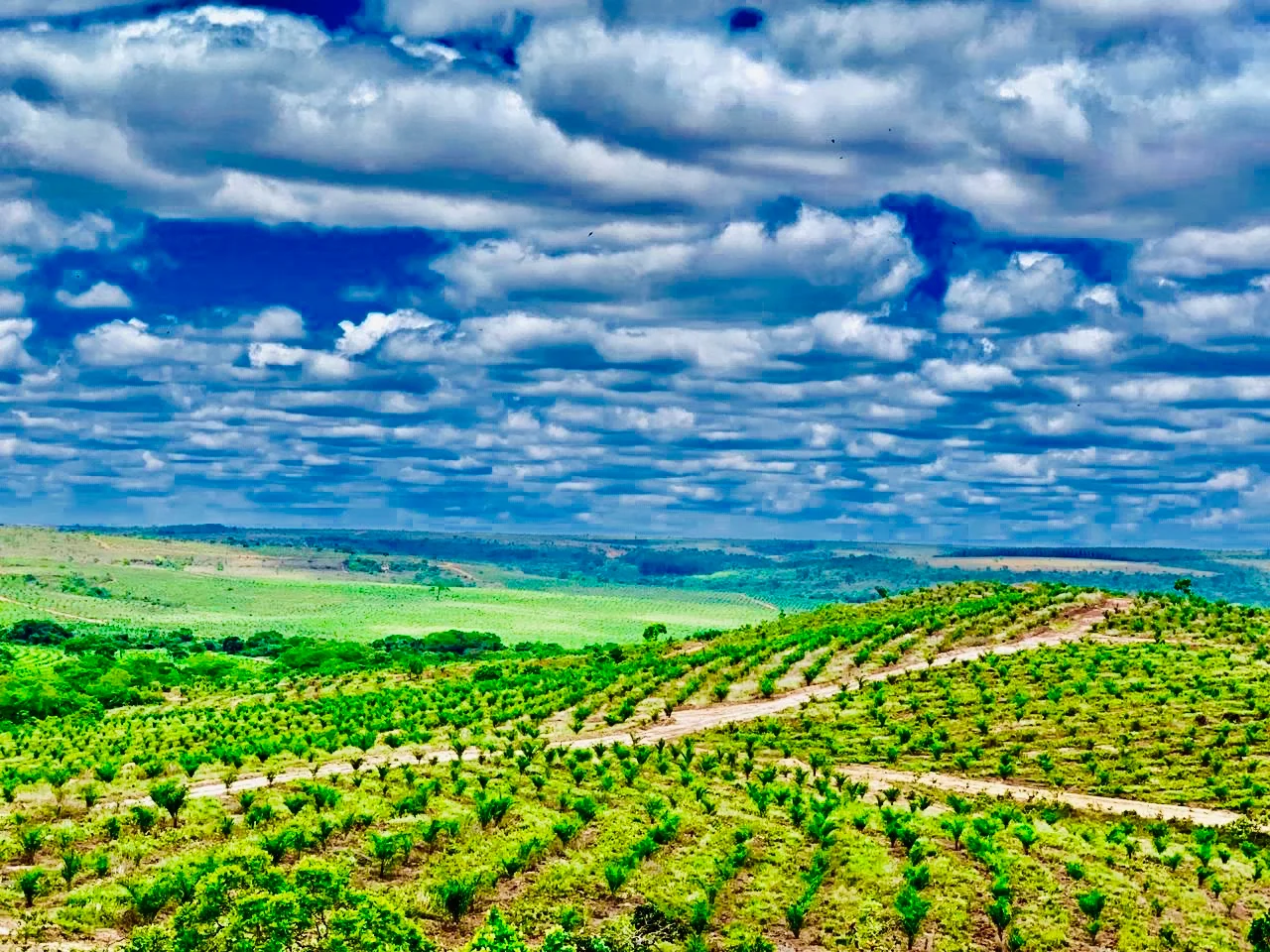
Systems, inputs, mechanization and technical support to take macaúba from project design through harvest.
Operating footprint
R&D center, tissue culture laboratory, genetic improvement and product application trials.
Integrated farms, genetic bank, agroforestry trials and field operations.
What we deliver
Production
Selected germinated and clonal saplings designed to improve quality, uniformity and predictability.
Explore the solutionImplementation
Planning, implementation and management: genetics, field protocols, plant nutrition, mechanization and specialized support.
Explore the solutionPartnerships
System design for growers and companies seeking renewable feedstocks, productive restoration and value-chain integration.
Explore the solutionDevelopment
Oils, protein meals, biomass and new applications for energy, chemicals, cosmetics, food and biomaterials.
Explore the solutionFrom tree to market
Creating more value per hectare
The system combines production, biodiversity and carbon in a single strategy. It aims to restore the productive function of degraded or low-productivity land without relying on simplified monocultures.
“There are no truly sustainable industries without sustainable feedstocks and sustainable supply chains.”
Francisco de Blanco · CEO
Let’s build the next value chain together
Tell us about your interest. Our technical and commercial team will assess the best way to begin the conversation.